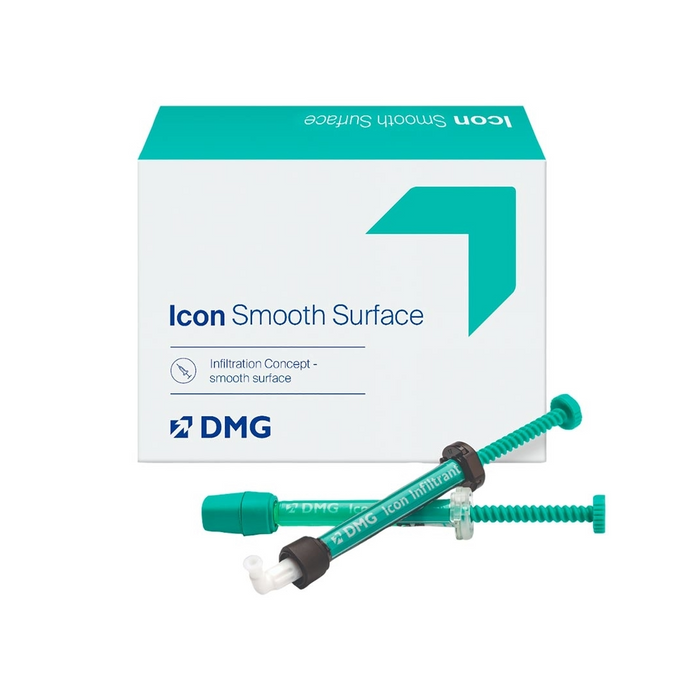


Icon Treatment for Fluorosis Stains
Have you noticed white or brown patches on your child's teeth that do not seem to improve with brushing? These marks are often caused by dental fluorosis, a condition that develops when teeth are exposed to excess fluoride during their formation. While fluorosis is not harmful to your child's health, the discoloration it causes can be persistent and difficult to address with standard whitening. As part of modern cosmetic dentistry, Icon white spot treatment offers a non-invasive, long-lasting solution that works from within the enamel to restore a more uniform, natural appearance.
What Are Fluorosis Stains?
Dental fluorosis occurs when children are exposed to higher-than-ideal levels of fluoride while their permanent teeth are still developing beneath the gums. This typically happens during the first eight years of life. The result is a change in the mineral structure of the enamel that shows up as white, cream, or brown streaks and spots once the teeth erupt.
Fluorosis is extremely common. Mild forms, which appear as faint white lines or spots, affect a significant portion of children in regions where fluoride is added to the water supply or where children use fluoride supplements. More visible forms cause noticeable discoloration that can affect how a child feels about their smile.
Fluorosis stains are not surface stains. Because they originate within the enamel itself, traditional teeth whitening treatments cannot remove them effectively. In some cases, whitening can even make the contrast between the stained and unstained areas more visible. Icon dental treatment is specifically designed to address this type of deep enamel discoloration.
How Icon White Spot Treatment Works
Icon resin infiltration treats fluorosis stains by addressing the underlying change in enamel mineral density rather than the surface alone. The Icon dental procedure uses a specialized low-viscosity resin that is applied to the tooth after gentle conditioning. The resin is drawn into the porous, discolored enamel and fills it from within, reducing the optical contrast that makes the stain visible.
After the resin is light-cured and the surface is polished, the treated area integrates visually with the surrounding enamel. The result is a smoother, more even tooth surface with significantly reduced discoloration. For many patients, a single treatment session achieves results that no amount of brushing or whitening could deliver.
Unlike traditional cosmetic options, Icon does not require drilling, removal of healthy enamel, or numbing agents in most cases. The procedure is gentle enough for children and teens and is completed in a single visit, making it one of the most convenient and comfortable options available for fluorosis stains.
Why Icon Is Different from Teeth Whitening for Kids
Many parents initially look into teeth whitening for kids when they notice fluorosis discoloration. While teeth whitening is effective for surface stains, it is not designed to treat the structural changes in enamel caused by fluorosis. Whitening agents work on the outer layer of the tooth, but fluorosis stains are embedded within the enamel matrix.
Attempting to whiten a tooth affected by fluorosis can produce inconsistent results. The bleaching agent may lighten the surrounding enamel while leaving the porous, discolored areas unchanged, sometimes making the spots more noticeable by contrast.
Icon white spot treatment works differently because it targets the same layer where the discoloration originates. By infiltrating and stabilizing the porous enamel, it blends the stain rather than attempting to bleach around it.
Who Is a Good Candidate for Icon Fluorosis Treatment?
Icon white spot treatment is most effective for children and teens with mild to moderate fluorosis affecting permanent teeth. It works particularly well for white or light-brown spots on the front teeth, where appearance matters most for a child's confidence.
Because fluorosis affects permanent teeth during their development, the condition becomes fully visible only after those teeth have erupted. Most families begin exploring treatment options when children are in their late primary school years or early adolescence.
Our team assesses each child individually before recommending treatment. In cases of more severe discoloration, we may discuss complementary options, such as composite bonding, to achieve the best possible outcome. We always tailor our recommendations to what is genuinely in your child's best interest.